Dental implants for missing teeth
A dental implant replaces a missing tooth root and can support a crown, bridge or denture. The appropriate option depends on your dental assessment and treatment needs.
At The Abbey in Childwall, Liverpool, we explain the available approaches for replacing one or more missing teeth and discuss what each option involves.
Is implant treatment suitable for you?
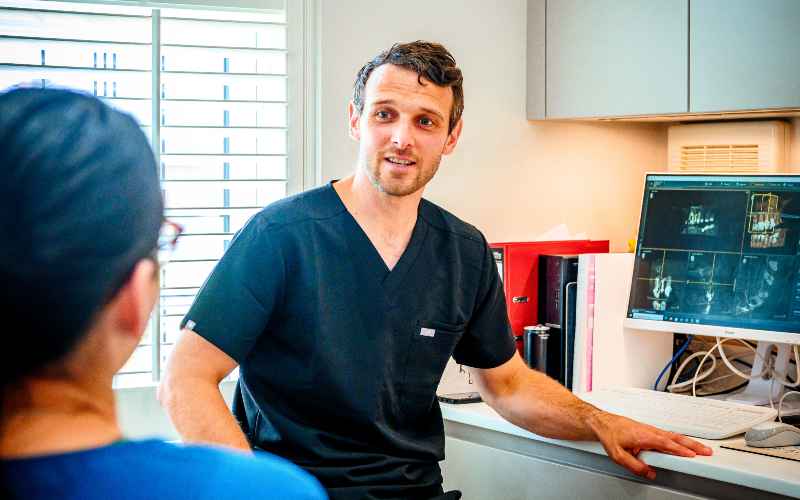
Your dentist will assess your teeth, gums and jawbone and discuss your medical history before advising whether implant treatment may be suitable. Some patients need other treatment first.
We explain alternatives as part of your assessment. These may include dentures or a dental bridge, depending on your circumstances.
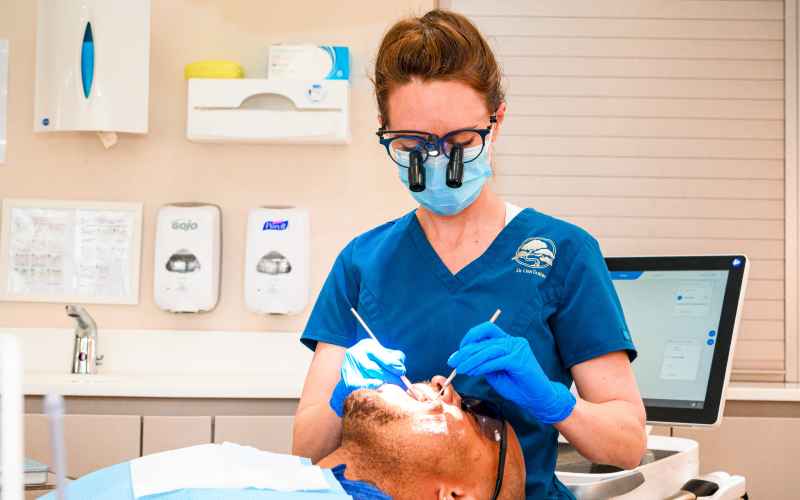
Your implant assessment and treatment plan
Your implant plan explains the assessment, any investigations, treatment stages, healing periods and follow-up appointments. The number of appointments and time involved depend on your individual needs.
Dental implant costs
See our private dental fees as a starting point. You will receive a personalised estimate, with an explanation of what is included and any additional treatment that may be required.
Appointments and ongoing care
Discuss cleaning, maintenance and review appointments with your dental team. Call 0151 707 4959 or contact The Abbey to ask about an implant consultation.
FAQs
What is a dental implant, and am I suitable for one?
A dental implant is a small titanium screw that is surgically placed into your jawbone to replace a missing tooth root. Once the implant fuses with your bone, we attach a crown, bridge, or denture on top. Most healthy adults with adequate bone density and healthy gums are suitable. If you have been told you lack bone, we can discuss bone grafting options. A full assessment is required first.
How much do dental implants cost at Abbey by Duthie Dental in Liverpool?
The cost depends on your assessment and the treatment recommended. View our current private dental fees as a guide, then contact the team for a personalised estimate and an explanation of what is included.
I’m a new private patient. What is the process for getting an implant?
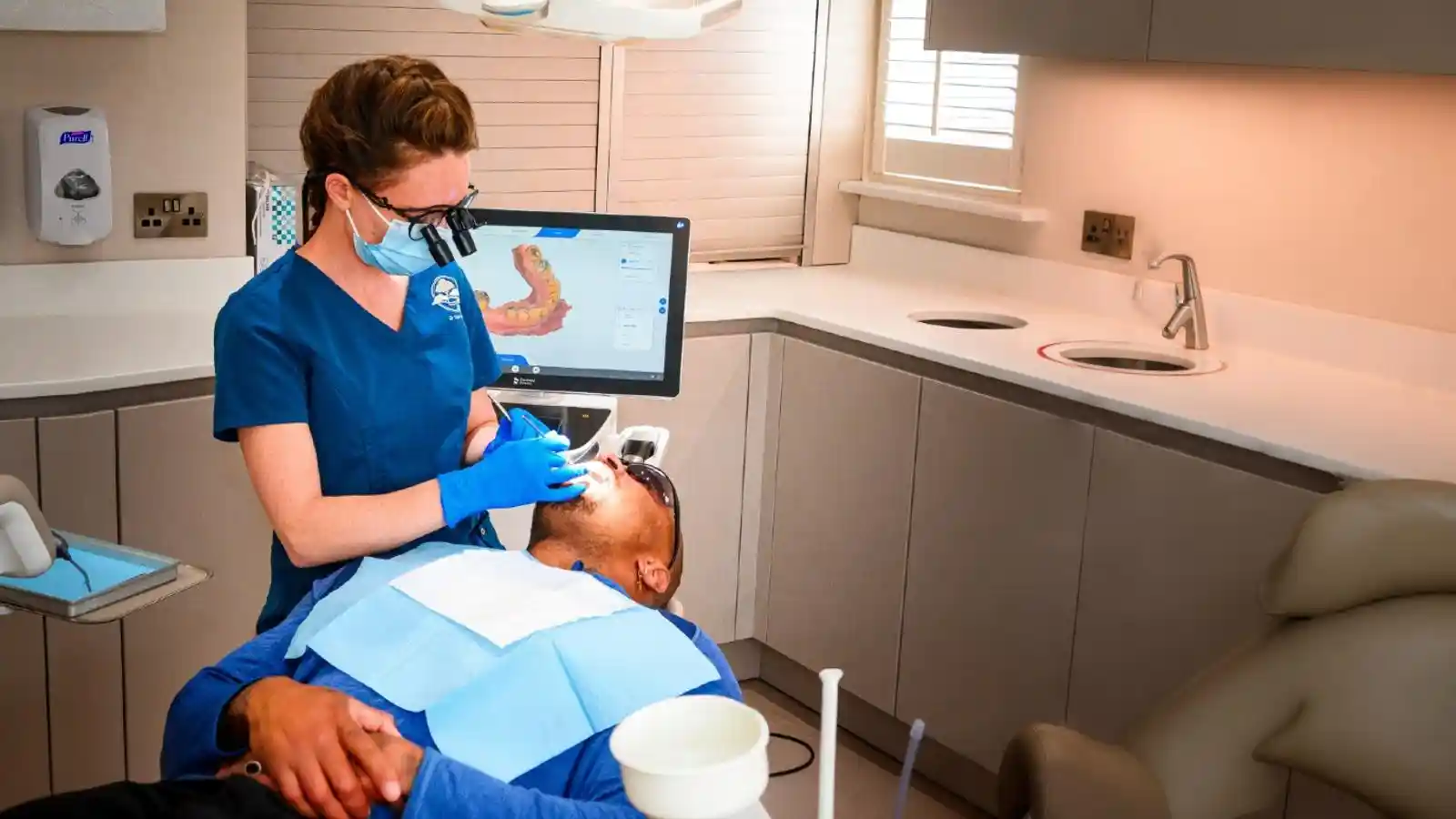
The process involves several stages. First, a comprehensive dental exam with 3D CBCT scanning to assess your bone and anatomy. Second, if suitable, the implant placement surgery under local anaesthetic, which takes 60 to 90 minutes. Third, a healing period of three to six months for osseointegration, where the bone grows around the implant. Finally, the attachment of your permanent crown. We guide you through every step.
Does dental implant surgery hurt?
The surgery itself is not painful because we use strong local anaesthetic to numb the area completely. You will feel pressure and vibration from the surgical instruments but not sharp pain. After the anaesthetic wears off, mild soreness and swelling are normal for a few days. Most patients manage this with over-the-counter pain relief and return to normal activities within 48 hours.
How long do dental implants last? Are they permanent?
With proper care, dental implants can last 20 years, 30 years, or even a lifetime. The crown on top may need replacement after 10 to 15 years due to normal wear, but the titanium implant itself is designed to be a permanent solution. Implants do not decay and are the most long-lasting tooth replacement option available for private patients
What happens if I don't have enough jawbone for an implant?
You may still be suitable. We offer bone grafting procedures, where we add synthetic or natural bone material to your jaw to build enough volume for an implant. This adds a healing phase of four to nine months before the implant can be placed. Alternatively, shorter or narrower implants may be an option. We will never proceed without being confident in a successful outcome.
Can I have a dental implant if I smoke or have gum disease?
Active, uncontrolled gum disease must be treated first, as implants need healthy gums to succeed. Smoking significantly reduces implant success rates because it impairs blood flow and healing. We are honest with our Liverpool patients: if you smoke heavily, we may advise quitting or reducing significantly before implant surgery, or suggest alternative options like bridges or dentures.
How do I care for a dental implant compared to a natural tooth?
Implants cannot decay, but they can fail due to peri-implantitis, which is gum disease around the implant. You must brush and floss around the implant just like a natural tooth. We also recommend special interdental brushes or water flossers. You will need regular hygiene visits every three to six months so our team can check the implant health. Implants are not "fit and forget."
Do you offer finance or payment plans for dental implants in Liverpool?
Yes. We understand implants are a significant investment. Finance options are available. Speak to our reception team for a no-obligation quote and finance application.
What is the success rate for dental implants at Abbey by Duthie Dental?
Our implant success rate is over 97% for non-smoking patients with good oral health. Failure is most likely to occur in the first three to six months if the implant does not fuse with bone, which is rare. Late failures happen years later due to poor hygiene or gum disease. We only place implants when we are confident of a good long-term outcome.
How do I book a dental implant consultation as a new private patient in Liverpool?
You can book online via the ‘Book Now’ button, call us at 0151 707 4950, or email patientliaison@theabbey.dental.. Implant consultations require a longer appointment, typically 45 to 60 minutes, and include a 3D CBCT scan if clinically indicated. We aim to see new implant patients within two to three weeks of registering interest.
What is a full mouth reconstruction using dental implants?
A full mouth reconstruction with implants replaces all missing or failing teeth in both the upper and lower jaws. It typically involves placing 4–8 implant posts per arch, which support a fixed, non-removable bridge or denture. Unlike traditional dentures, implant-supported restorations feel and function like natural teeth.
Am I a candidate for full mouth reconstruction with implants?
You may be a candidate if you are missing most or all of your teeth, have severe bone loss, gum disease, or broken-down teeth, and are healthy enough for oral surgery. Adequate jawbone density is ideal, but even patients with significant bone loss can qualify after bone grafting or with zygomatic implants.
How long does full mouth reconstruction with implants take?
The full process typically takes 6–12 months, depending on healing, bone grafting needs, and final restoration fabrication. Many patients receive temporary teeth on the day of surgery (same-day implants), but permanent teeth are usually placed after osseointegration (3–6 months post-surgery).
What are the risks or complications of full mouth reconstruction with implants?
Risks include implant failure (2–5% of cases), infection, nerve damage (numbness), sinus issues (for upper implants), and prosthetic fracture. However, success rates for full-arch implants are over 95% when placed by experienced surgeons and properly maintained.
Can I have full mouth reconstruction if I have gum disease or bone loss?
Yes, but active gum disease must be treated first (scaling, antibiotics, or surgery). For bone loss, your surgeon will perform bone grafting (sinus lift or ridge augmentation). In severe maxillary bone loss, zygomatic implants (anchored in cheekbones) avoid grafting entirely.
What is the alternative to implant-supported full mouth reconstruction?
Alternatives include traditional removable dentures (lower cost but poor stability) or implant-retained overdentures (snap-on, removable for cleaning). A fixed implant bridge is considered the gold standard for function, comfort, and aesthetics.
Book a private dental appointment
Connect with our team today to discover how a tailored treatment plan can transform your smile and your confidence.